5 min read
Introduction
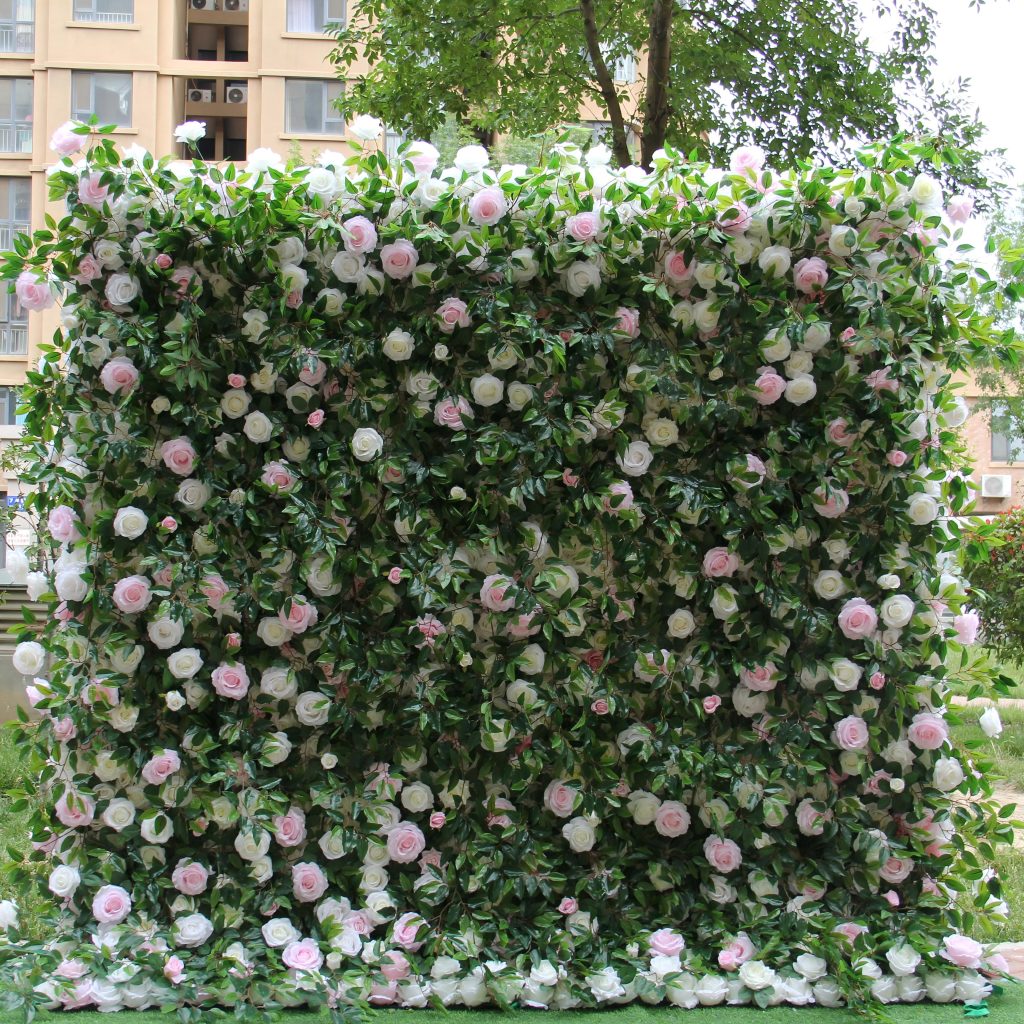
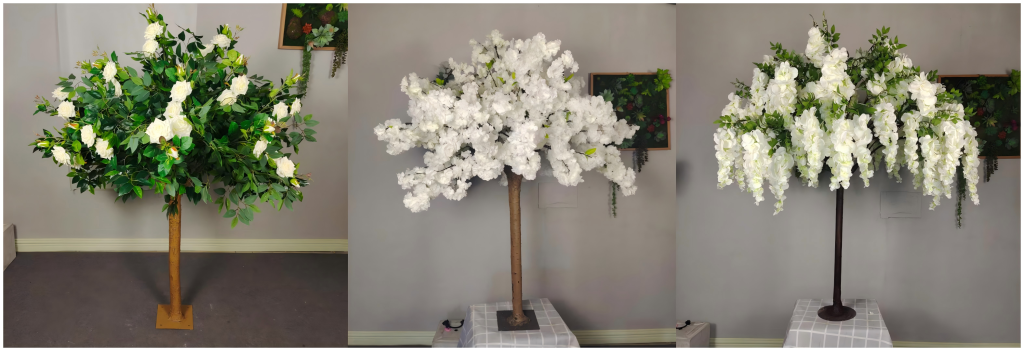
Flower trees are stunning statement pieces for weddings, hotel lobbies, restaurant entrances, and large-scale events. They bring height, drama, and natural beauty to any space — without the maintenance of real trees.
But when you’re shopping for an artificial flower tree, one of the most important decisions is the trunk material. The trunk affects everything: the look, the weight, the durability, the shipping cost, and even whether the tree can cross international borders.
In this guide, we break down the three most common trunk materials for artificial flower trees — Real Wood, Plastic, and Fiberglass — so you can choose the right one for your project.
1. Real Wood Trunk
What Is It?
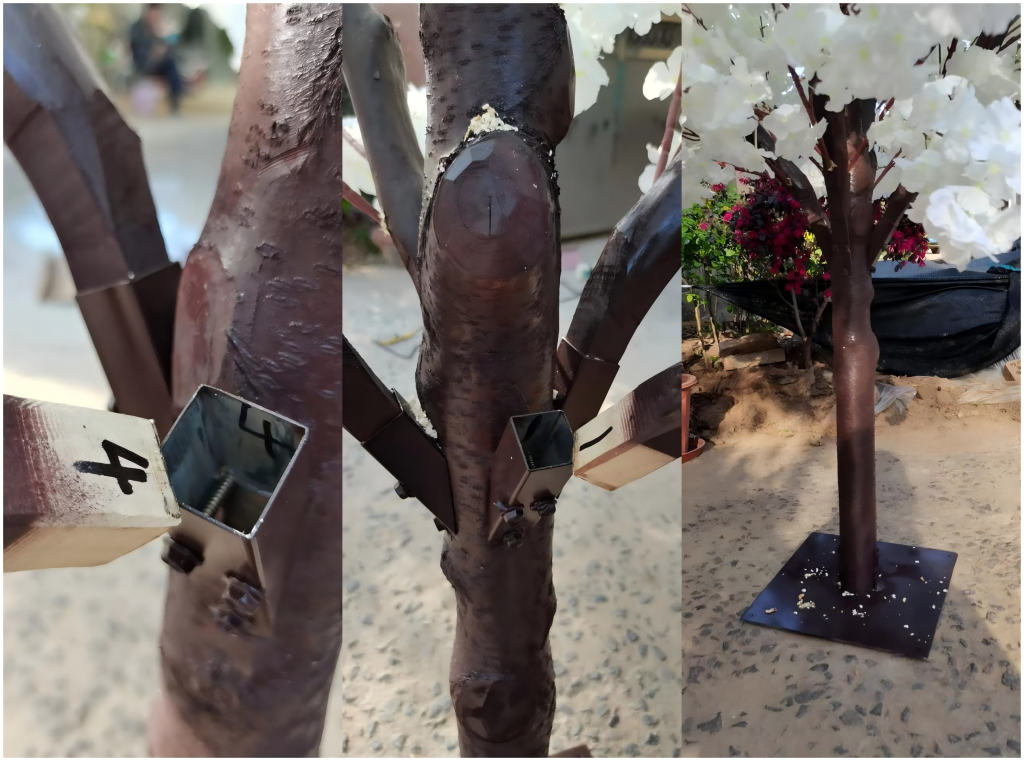
Real wood trunks are made from natural tree trunks or branches. They are often sourced from sustainable forests and then crafted into the desired shape. Flowers and foliage are then attached to create a blooming artificial tree.
Key Features:
- Natural look: Each trunk is unique, with real bark texture
- Shape variety: Can be bent or carved into different poses
- Authentic feel: Looks and feels like a real tree
Pros:
- ✅ Most realistic appearance: Real bark and natural grain
- ✅ Shape flexibility: Can create twisted, leaning, or dramatic poses
- ✅ Lower cost: Usually more affordable than fiberglass
- ✅ Eco-friendly option: Made from natural materials
Cons:
- ❌ Less durable: Can crack, warp, or rot over time, especially in humidity
- ❌ Heavier: Real wood can be heavy to move and transport
- ❌ Import restrictions: Many countries require fumigation (heat treatment) for wood products
- ❌ Not waterproof: Not ideal for outdoor use without treatment
Fumigation Note:
If you’re importing wood trunk trees, check with your local customs. Many countries (like Australia, the US, and EU members) require a fumigation certificate to ensure no pests or diseases enter with the wood. This adds time and cost to shipping.
Best For:
- Projects where authentic look is the top priority
- Local events (no shipping across borders)
- Indoor use in dry environments
- Budget-conscious buyers who want a natural appearance
2. Plastic Trunk
What Is It?
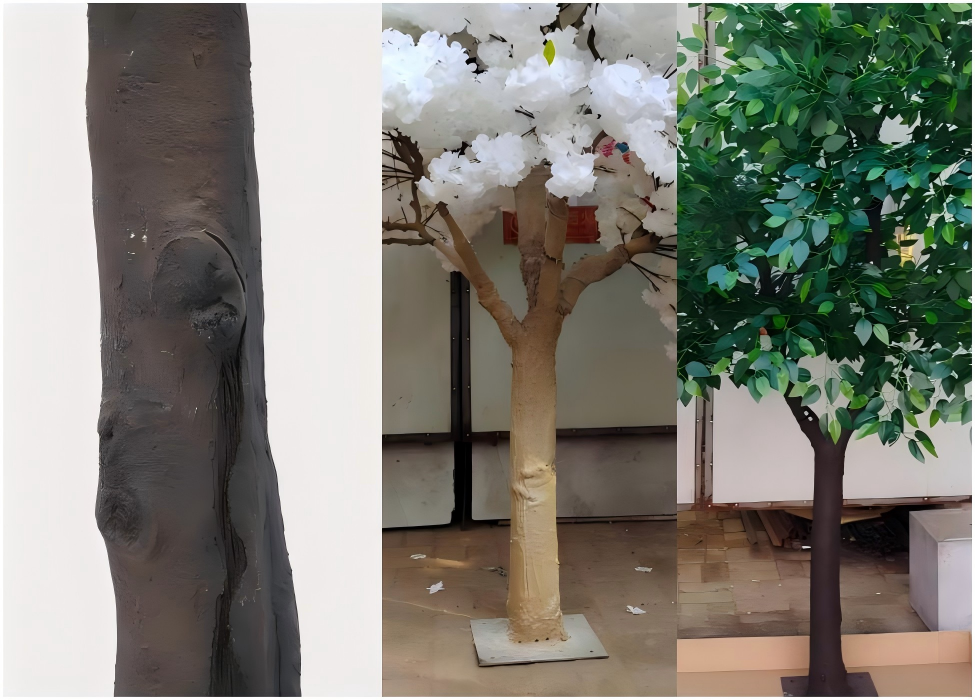
Plastic trunks are made from PVC, polyethylene, or other durable plastics. They are molded to look like tree bark and can be designed in various shapes and sizes. This is one of the most common choices for commercial artificial trees.
Key Features:
- Lightweight: Much easier to move and transport than wood
- Durable: Won’t rot, crack, or attract insects
- Consistent look: Each tree is identical (great for multiple orders)
Pros:
- ✅ Moderate price: More affordable than fiberglass
- ✅ Weather resistant: Can be used indoors or outdoors (with UV protection)
- ✅ No import restrictions: No fumigation needed
- ✅ Lightweight: Easy to set up, move, and store
- ✅ Consistent quality: No natural variations
Cons:
- ❌ Plastic feel: Can look or feel “fake” up close, especially lower-quality ones
- ❌ Less authentic texture: Bark details may look molded rather than natural
- ❌ Color limitations: Usually comes in standard browns; custom colors possible but limited
UV Protection Note:
For outdoor use, make sure to choose plastic trunks with UV protection. Standard plastic can fade and become brittle in direct sunlight over time.
Best For:
- Rental companies (need lightweight, portable trees)
- International shipping (no fumigation hassles)
- Outdoor installations (with UV protection)
- Projects requiring multiple identical trees
- Indoor commercial spaces (hotels, malls, restaurants)
3. Fiberglass Trunk
What Is It?
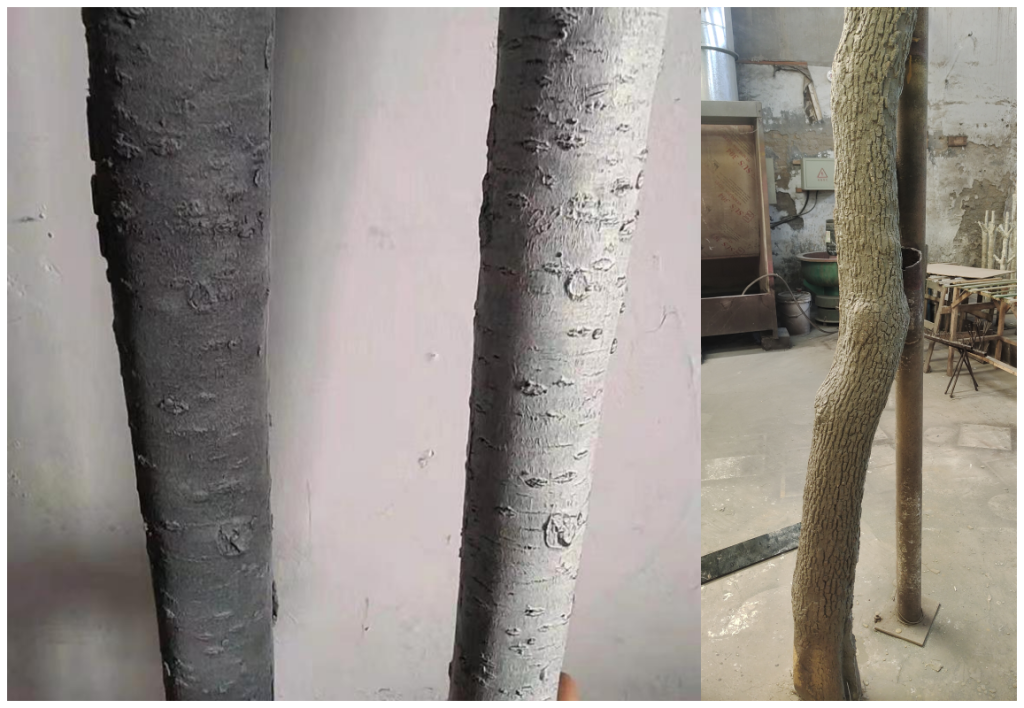
Fiberglass trunks are made from fiberglass-reinforced plastic. This material is incredibly strong, lightweight for its strength, and can be molded into highly detailed, realistic shapes. It’s the premium choice for high-end installations.
Key Features:
- Extremely durable: Can last for decades with proper care
- Highly realistic: Can replicate bark texture perfectly
- Rigid structure: Holds shape perfectly, even for large trees
Pros:
- ✅ Most durable: Withstands weather, temperature changes, and heavy use
- ✅ Best for repeated use: Ideal for rental companies and permanent installations
- ✅ Highly realistic: Can achieve the most authentic look
- ✅ Weather resistant: Perfect for both indoor and outdoor
- ✅ No import restrictions: No fumigation needed
- ✅ Lightweight for its strength: Easier to move than wood of similar size
Cons:
- ❌ Highest cost: Most expensive of the three options
- ❌ Mold cost for new shapes: Custom shapes require a mold fee, which can be significant
- ❌ Not easily modified: Once molded, the shape is fixed (unlike wood which can be carved)
Mold Fee Explanation:
For custom-designed trees, fiberglass requires a mold to be made first. This one-time cost can be $500-$3000+ depending on complexity. But once the mold is made, you can produce many identical trees at a lower per-unit cost.
Best For:
- High-end hotels and luxury brands
- Permanent installations
- Rental companies needing durable, repeat-use trees
- Projects requiring custom, one-of-a-kind designs
- Long-term investments where quality matters most
Comparison Table
| Feature | Real Wood | Plastic | Fiberglass |
|---|---|---|---|
| Realism | ⭐⭐⭐⭐⭐ Natural bark | ⭐⭐⭐ Molded texture | ⭐⭐⭐⭐⭐ Can be very realistic |
| Durability | ⭐⭐ Can crack/warp | ⭐⭐⭐⭐ Long-lasting | ⭐⭐⭐⭐⭐ Extremely durable |
| Weight | Heavy | Lightweight | Light for its strength |
| Weather Resistance | Low (needs treatment) | Good (with UV) | Excellent |
| Price | $ – $$ | $$ | $$$ – $$$$ |
| Import Restrictions | Fumigation needed | None | None |
| Custom Shapes | Easy (carved/bent) | Mold required | Mold required |
| Best For | Natural look, local use | Rentals, shipping | Luxury, permanent |
Which One Should You Choose?
Choose Real Wood if: You want the most natural, authentic look and the tree will be used locally (no international shipping). Perfect for organic-themed weddings or events where budget is a consideration.
Choose Plastic if: You need a practical, affordable tree that ships easily and works for both indoor and outdoor use. Ideal for rental companies, international buyers, and projects requiring multiple trees.
Choose Fiberglass if: You’re investing in a high-end, long-lasting piece for a luxury hotel, permanent installation, or rental business where the tree will be used repeatedly. The higher cost pays off in durability and realism over time.
Why Choose HAGO for Your Flower Tree?
At HAGO, we offer all three trunk materials — Real Wood, Plastic, and Fiberglass. Whatever your needs, we can create the perfect flower tree for your space.
- 100% Customizable: Tree type, flower colors, size, shape — you name it
- Premium Materials: We use only high-quality trunks and flowers
- Factory Direct: Best prices, no middleman
- Export Experience: 10+ years shipping worldwide
👉 Ready to create your perfect flower tree? Contact us for a custom quote today!
FAQ
Q: Can I get a sample of the trunk material before ordering?
A: Yes! We offer small samples of each material so you can see and feel the difference.
Q: Do you offer UV protection for outdoor trees?
A: Yes, both plastic and fiberglass trunks can be made with UV protection. Real wood trunks need special treatment for outdoor use.
Q: How do I clean and maintain my flower tree?
A: Dust gently with a soft cloth or use a low setting on a leaf blower. For deeper cleaning, consult our care guide.
Have questions? Contact our team — we’re happy to help you choose the perfect flower tree for your project!